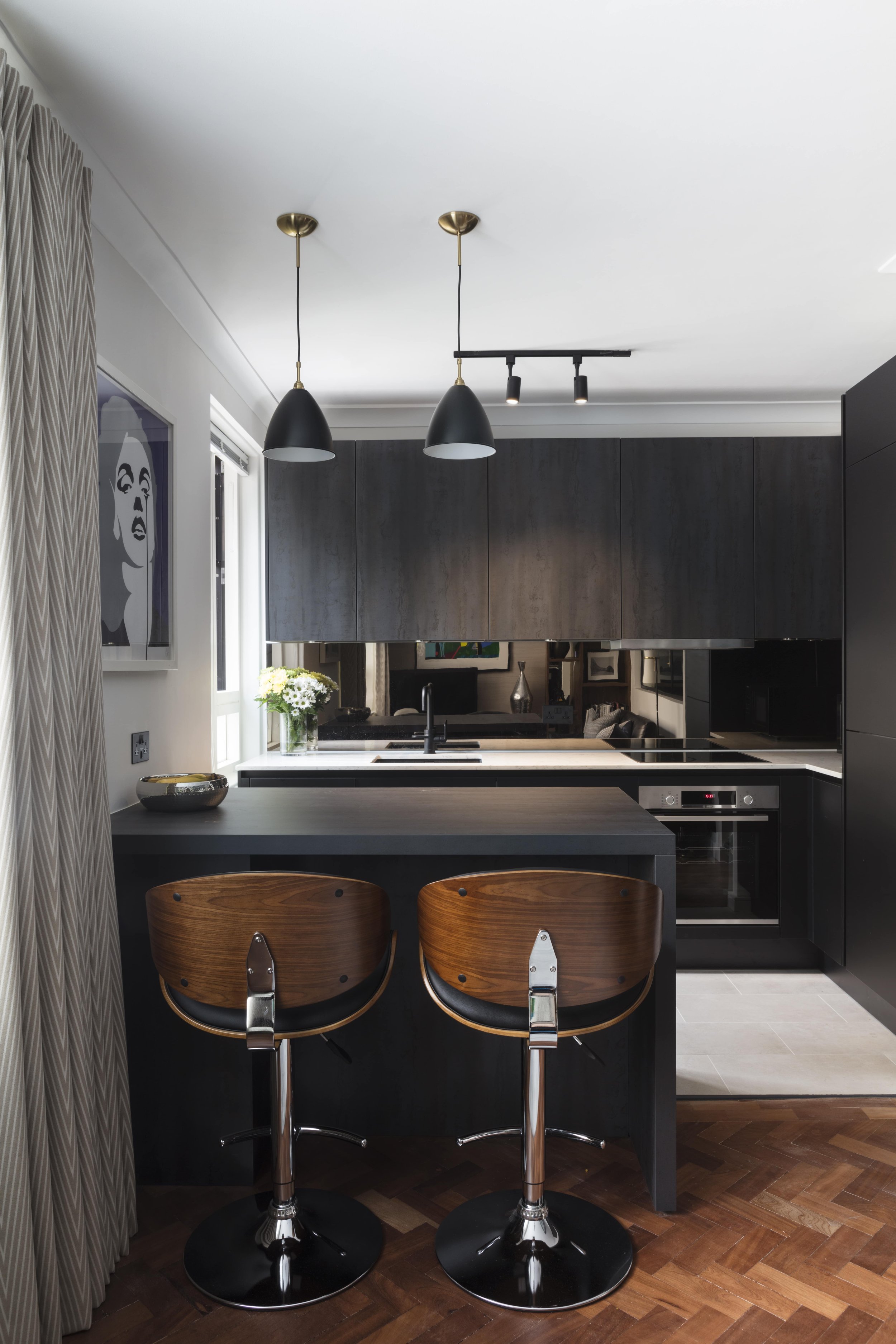
Compact London living with grandeur: spatial reimagining for pied a terre and city boltholes
This article explores how compact London apartments can feel generous through measured interior design and interior architecture. It examines spatial strategies such as internal glazing, pocket doors, graphic flooring and concealed storage, alongside a Regents Park studio case study. Material restraint, patina, commissioning a boutique studio and budgeting guidance are discussed to help urban homeowners create calm, characterful homes.
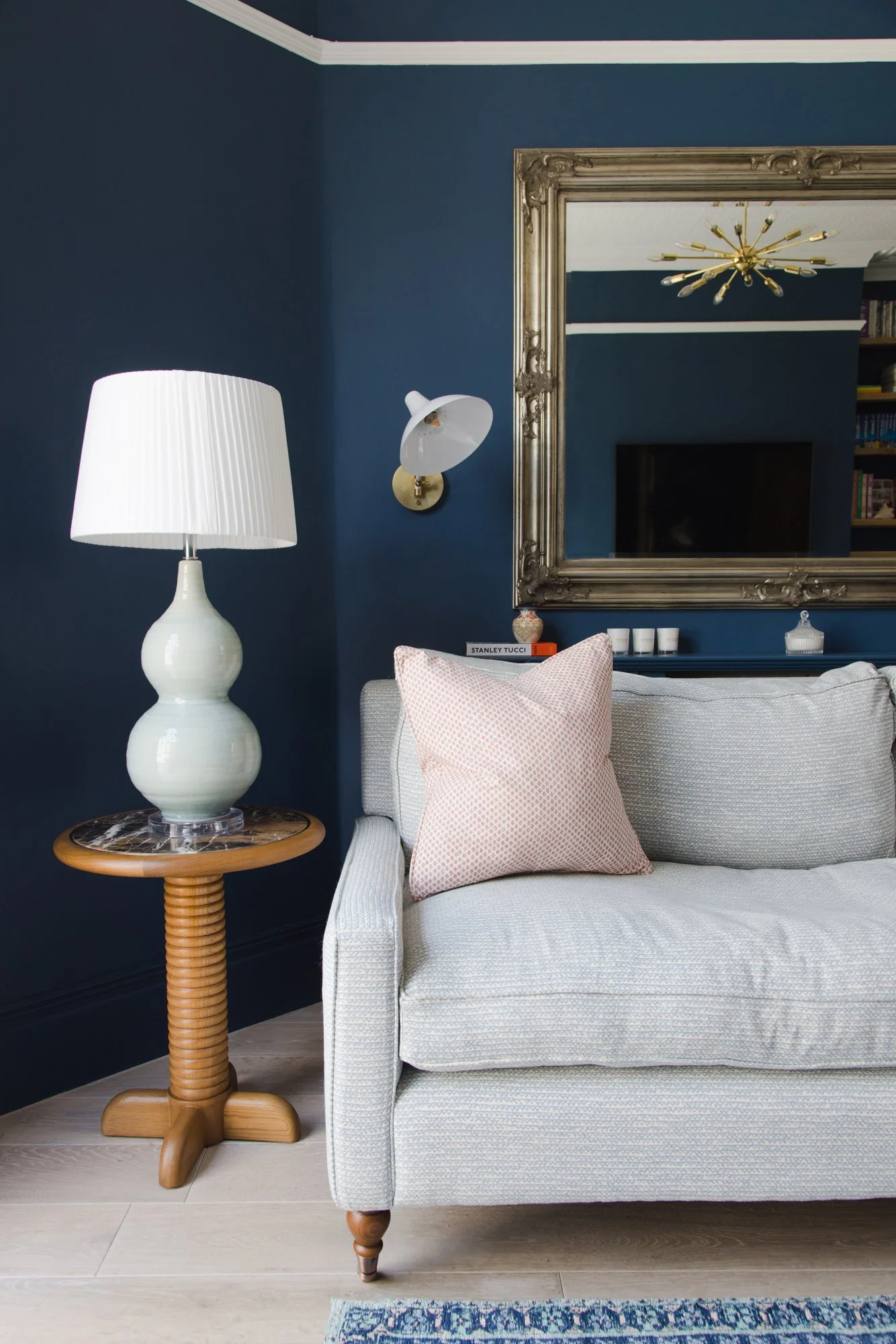
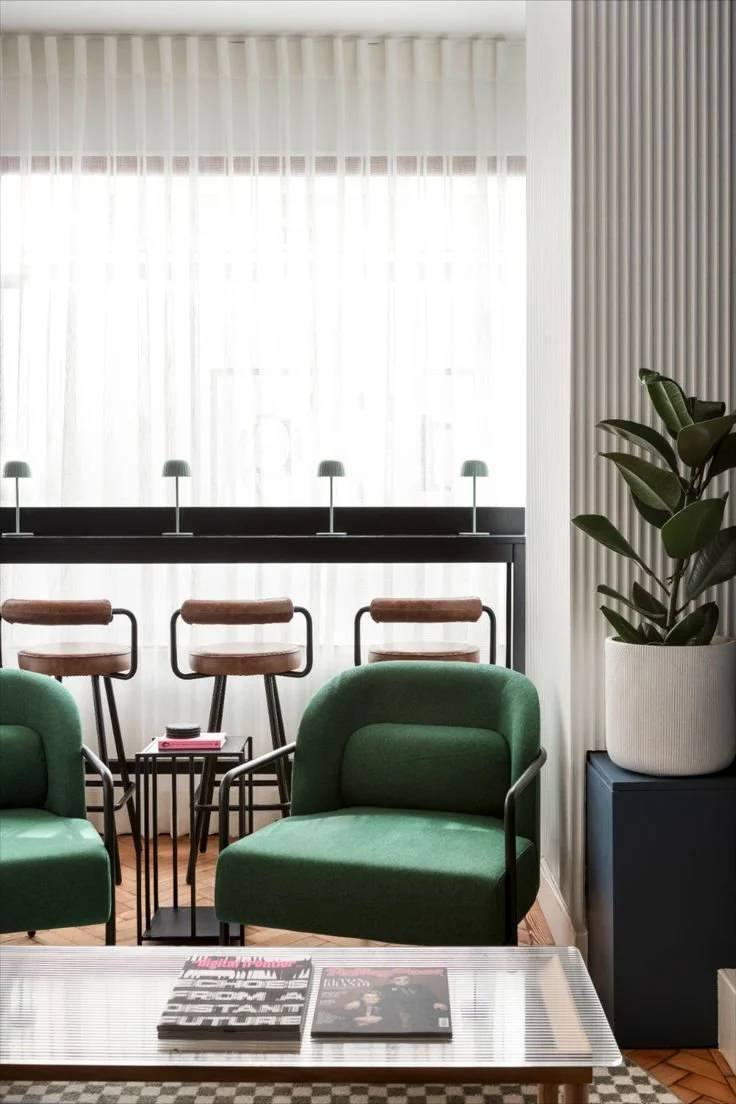
70 30 and 60 40 Rule in Interior Design Proportion
This article explores how proportion underpins character-driven interiors, focusing on the 70 30 and 60 40 rules in interior design. It shows how dominant and secondary elements, from oak and porcelain to brass and lighting, create calm yet expressive rooms. Through London-based case notes and classical guides such as the golden section, it explains how ratios support narrative, flexibility and everyday use.
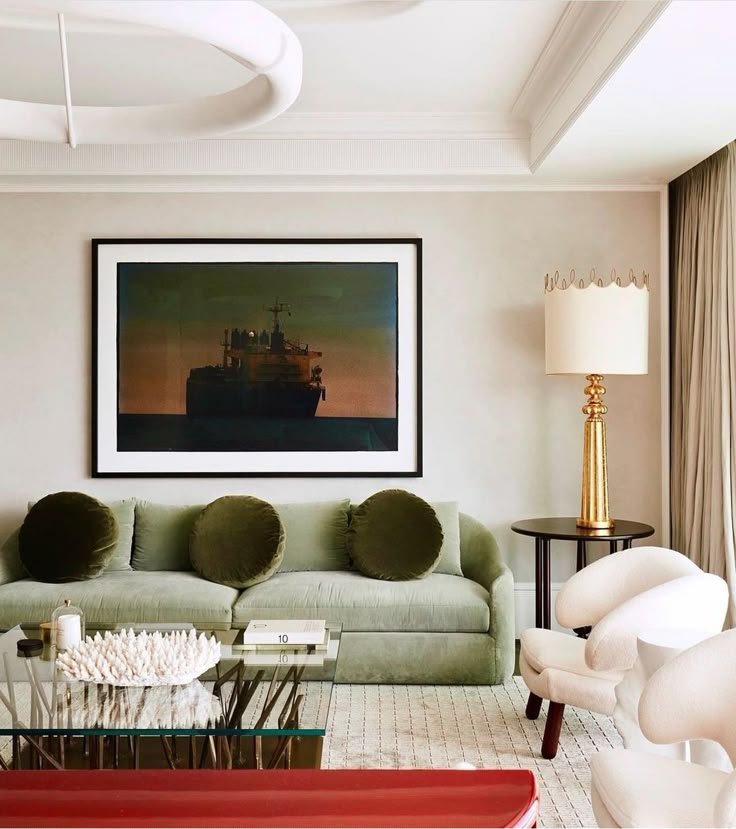
Interior architecture that changes how London homes live
This article explores how quiet luxury in London homes is created through considered interior architecture rather than surface styling. It examines spatial planning as choreography, kitchens and storage as integrated furniture, and light as structure, alongside material choices that age gracefully. Readers learn how a paced end to end design process transforms townhouses, apartments and show homes into calm, characterful spaces.
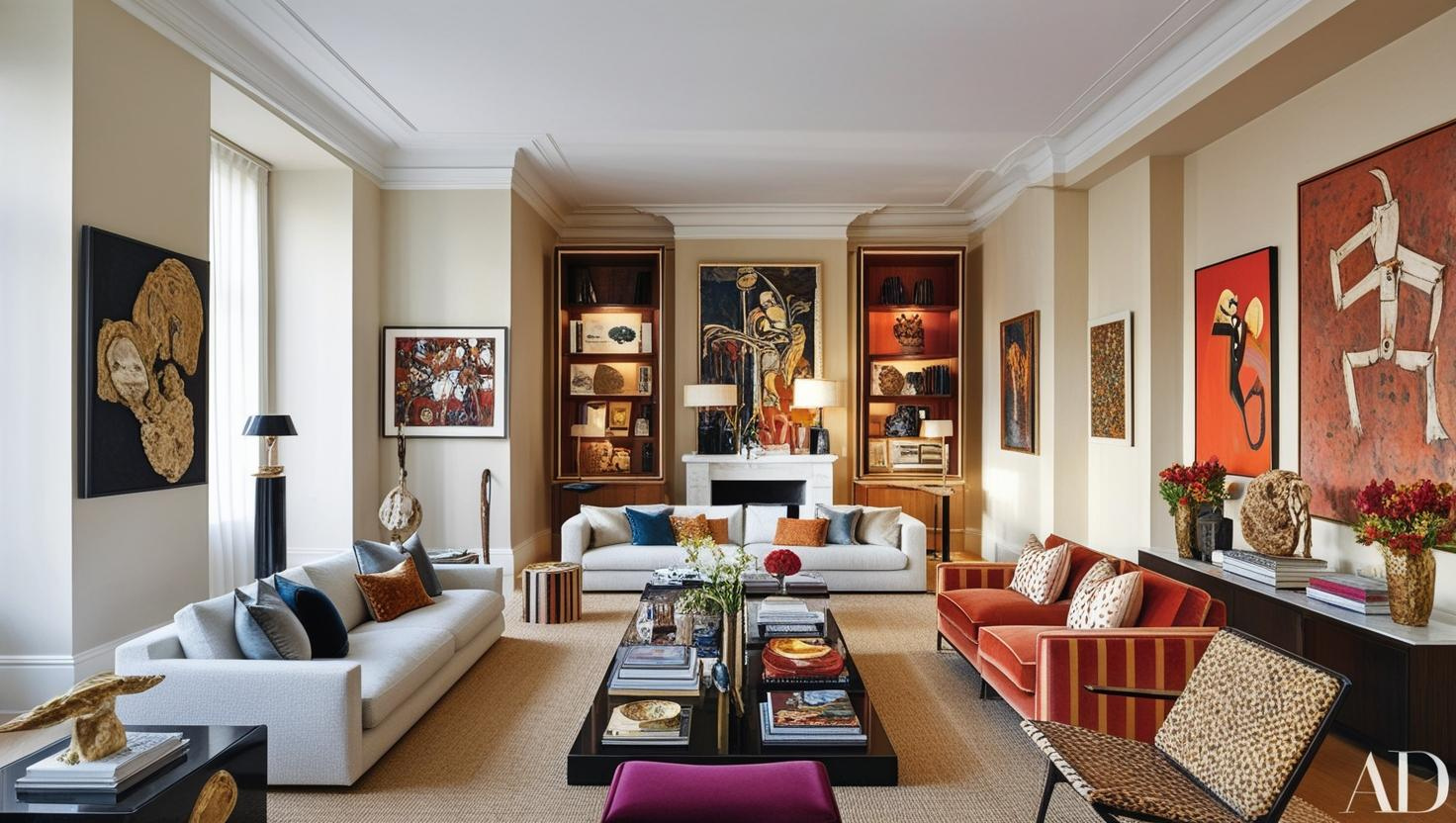
Show Apartments With Soul in London: Commercial Interior Design
This article explores how show apartments in London can move beyond polished shells to become emotive, lived in spaces that buyers connect with instantly. It explains the role of story led styling, tactile materiality, modular layouts and curated art, and outlines a clear collaboration process for developers and hospitality partners seeking characterful, commercially effective interiors.
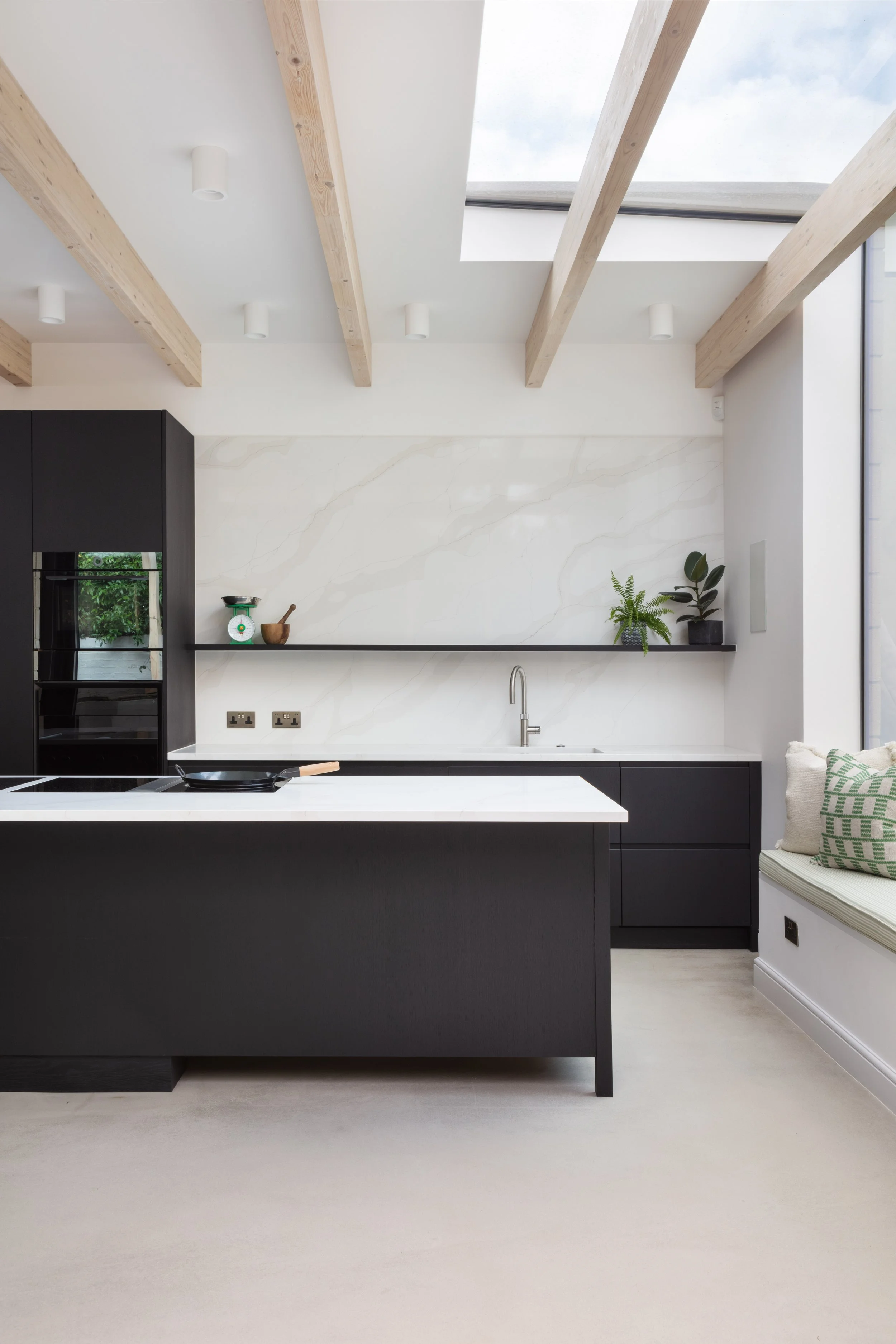
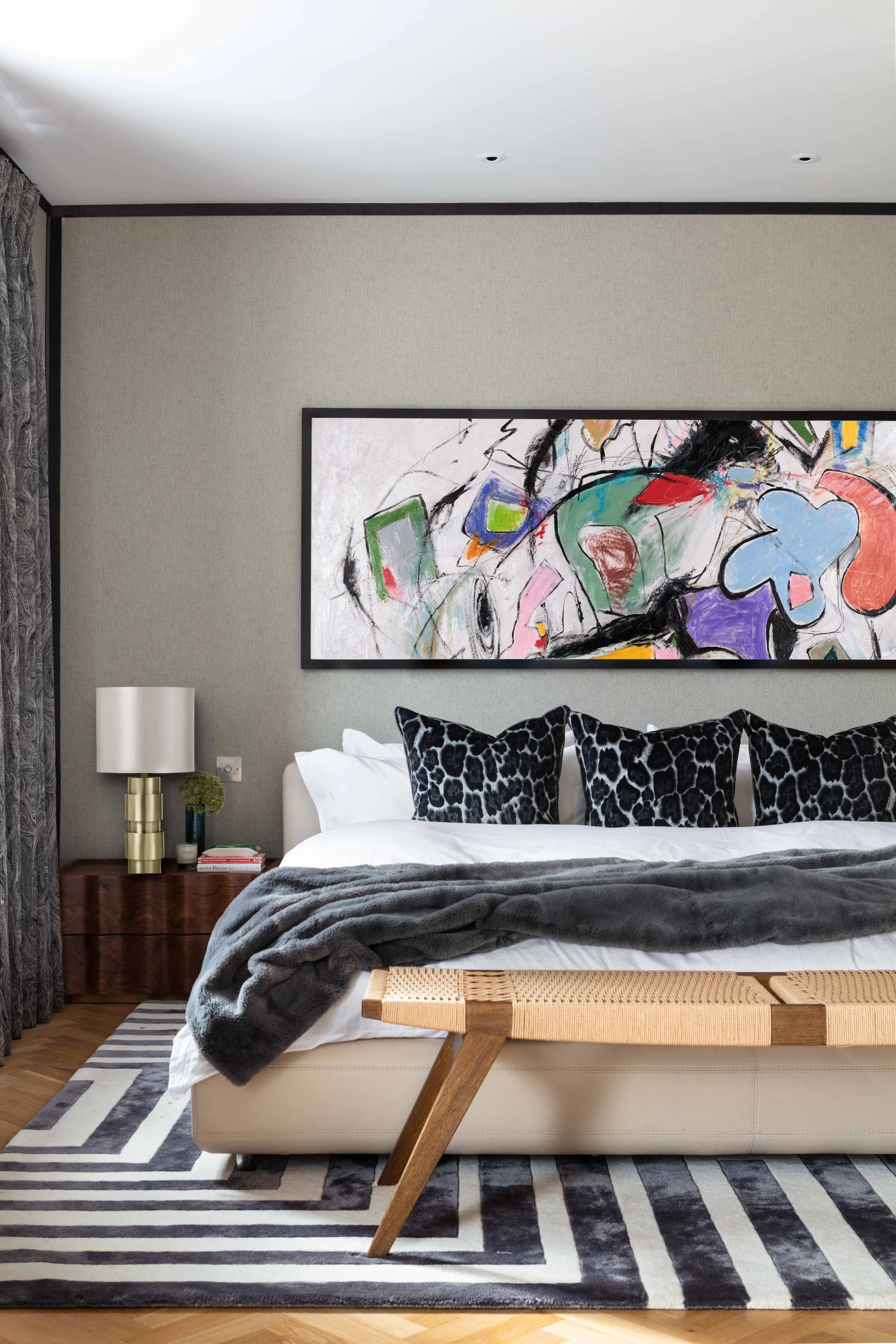
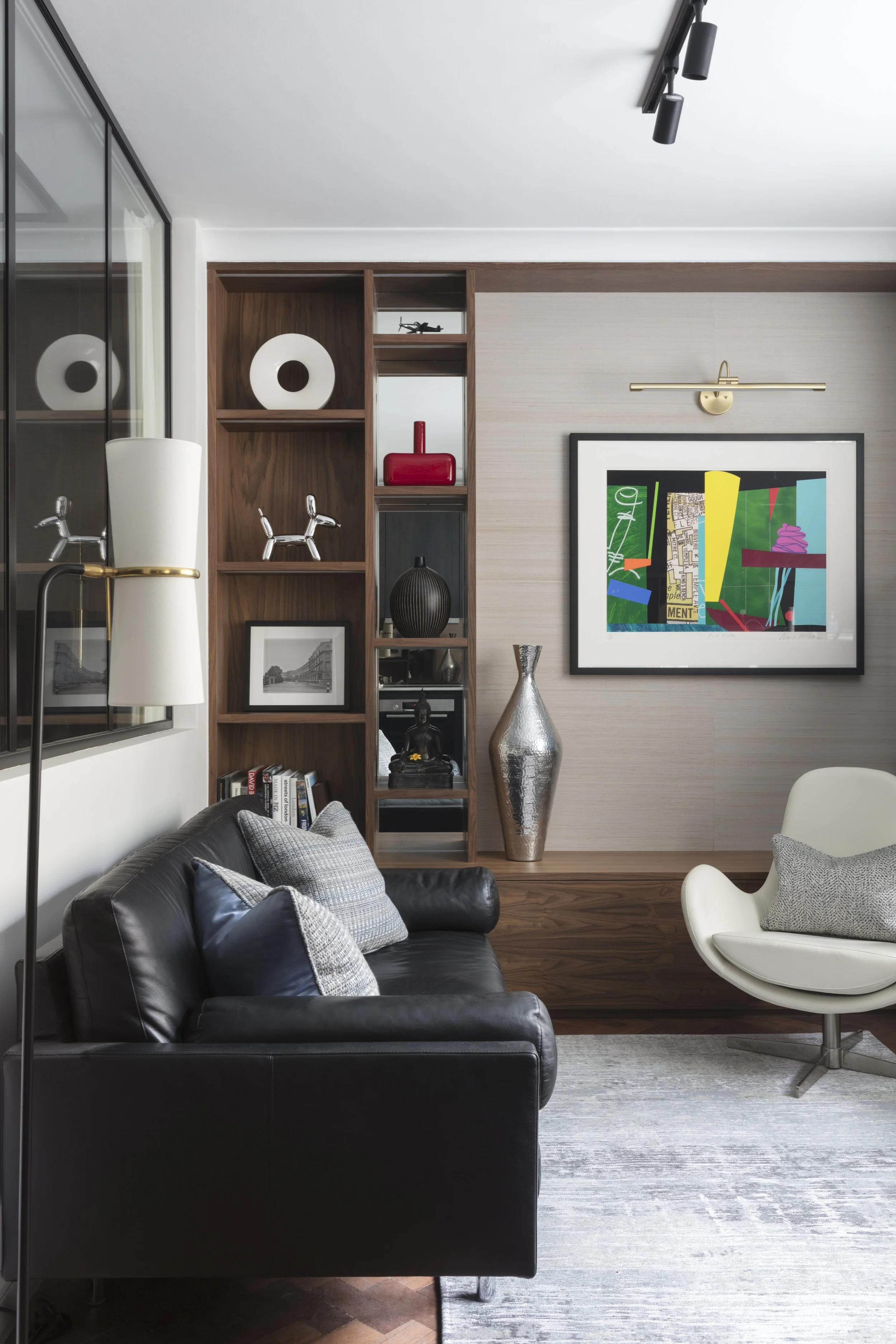


Quiet Luxury, Real Life: How Character-Driven Interiors Elevate Daily Living.
The everyday rhythm of a character-driven interior. It is not about show. It is about how you move, where you pause, what you treasure, and how your home supports that. It is a lived narrative told through material.